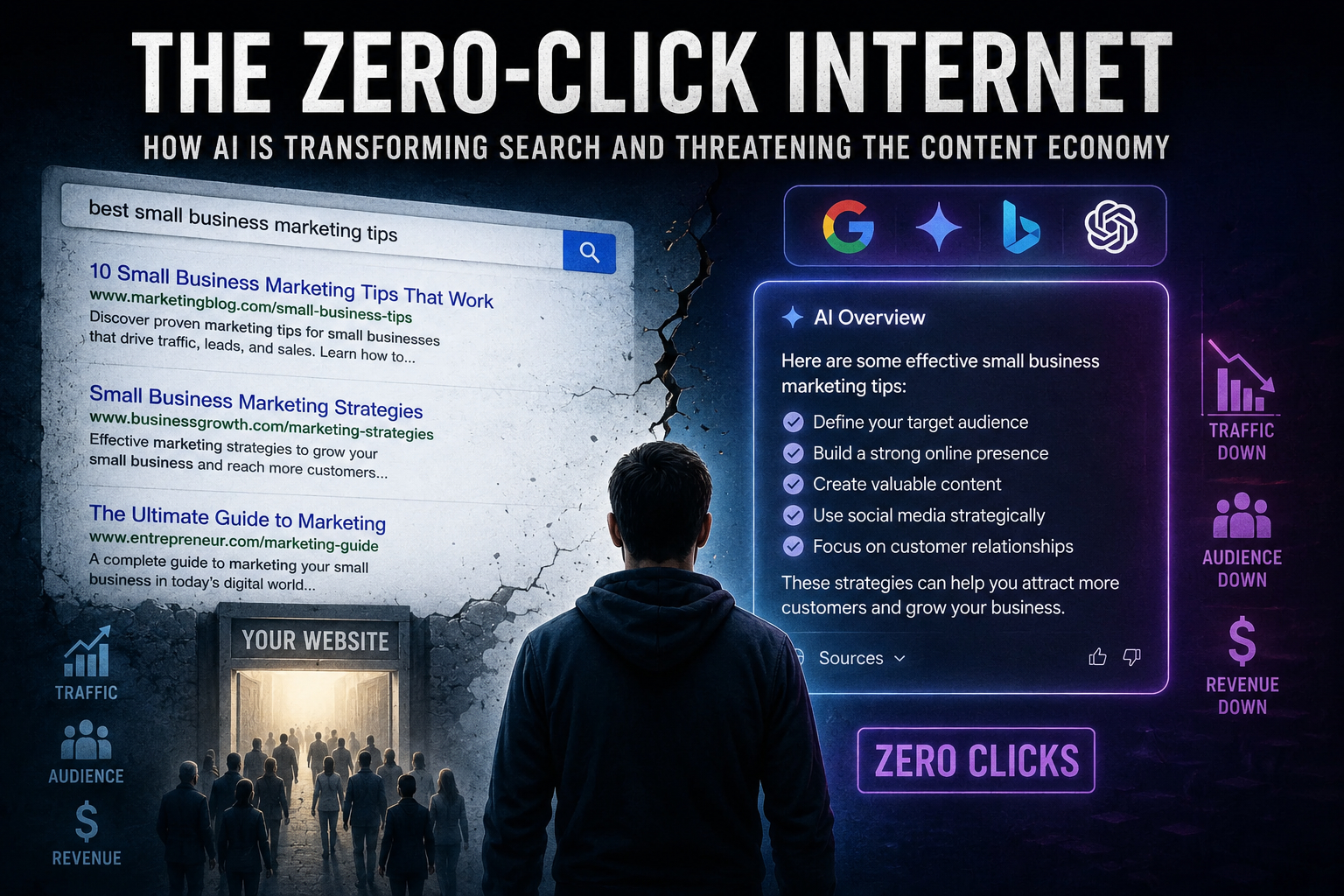


In today’s technology-driven world, navigating the digital landscape is essential for small businesses aiming to compete, grow, and thrive. While the digital space offers powerful tools and opportunities, it can also feel overwhelming without the right direction. Understanding how to effectively leverage digital platforms and strategies can help small businesses not only survive—but stand out.
The first step in establishing a strong digital presence is creating a professional, user-friendly website. Your website is often the first impression potential customers have of your business. It should clearly communicate who you are, what you offer, and how customers can take action. A mobile-responsive design, fast load times, clear calls-to-action, and well-written content are all essential. Investing in your website sets the foundation for every other digital effort.
Once your website is live, the next key area is visibility. Search engine optimization (SEO) ensures your business can be found by customers actively searching for your products or services. Implementing keyword-rich content, optimizing metadata, and regularly publishing helpful articles or blog posts increases your chances of appearing in search results. SEO takes time but offers long-term benefits that paid ads alone can’t match.
Social media is another critical component of the digital ecosystem. It’s not enough to simply post randomly; small businesses should approach social media with a strategy tailored to their audience and goals. Whether it’s connecting with customers on Facebook, showcasing visuals on Instagram, or sharing insights on LinkedIn, consistency and engagement are key. Your social presence should reflect your brand personality and provide value to your followers—whether that’s through education, entertainment, or special offers.
Digital advertising can also play a role in accelerating growth, particularly for businesses looking to drive traffic quickly. Platforms like Google Ads or Facebook Ads allow you to target your ideal audience with precision. However, success in paid advertising requires clear objectives, smart budgeting, and continual testing to optimize performance. For small businesses, even modest ad spend can yield strong returns when done correctly.
Email marketing remains one of the most effective tools for building customer loyalty and driving repeat business. By collecting email addresses through your website or in-store interactions, you can stay connected with your audience. Regular newsletters, promotions, and personalized messages help nurture relationships and keep your business top of mind.
Finally, one of the most overlooked but vital areas is analytics. Understanding how your website, social media, and marketing campaigns are performing allows you to make data-driven decisions. Tools like Google Analytics and social media insights show what’s working and where to improve, ensuring you’re not guessing—but growing with purpose.
Navigating the digital landscape may seem complex, but with a clear strategy and consistent effort, small businesses can harness its power to reach new customers, build trust, and scale sustainably. Start with strong foundations, stay flexible with trends, and focus on genuine connections—and the digital world will become an asset, not a challenge.
Related Posts