
For some, domain investing is a strategic business—finding undervalued names, identifying future trends, and selling domains at a fair market profit. But for others, the lure of “striking gold” with a single domain can lead to disastrous decisions, especially when the domain in question brushes up against a globally recognized brand.
A recent and wildly outlandish story—one that has circulated widely in legal, branding, and domain-industry circles—offers a textbook example of what not to do when you think you’ve found a sure bet in domain reselling. The saga revolves around one man, a six-figure dream, a common nickname for a supercar, and the illusion that a domain name alone could make him a multimillionaire.
The Setup: When a Domain Looks Like a Jackpot
In 2018, an individual from Arizona purchased Lambo.com for $10,000—an amount he believed was a steal. After all, “Lambo” is a widely recognized shorthand for Lamborghini, and in his mind, owning that domain put him in the perfect position to negotiate a massive payday.
But this is where the story begins to derail.
Immediately after the purchase, he rebranded himself online as “Lambo”—not because it was his established nickname or business identity, but solely to strengthen the illusion that he had a personal claim to the domain. This timing became a critical factor later: courts noted he had adopted the name after buying the domain, not before, undermining any argument of legitimate interest.
Still, he held onto the domain and repeatedly inflated its asking price—first to seven figures, then eight, and eventually to an astronomical $75 million.
But there was one problem…
Actually, several.
No Business, No Website, No Rights
The Lambo.com domain sat idle.
No content.
No services.
No legitimate commercial activity.
And that’s where U.S. anti-cybersquatting law stepped in.
Under the Anticybersquatting Consumer Protection Act (ACPA), registering a domain that intentionally targets or exploits a known trademark—especially without genuine use—is a major red flag. Courts look at intent, behavior, timing, branding patterns, and any attempt to profit off another entity’s identity.
His actions checked every single box for bad faith.
To make matters worse, one arbitrator initially argued that “Lambo” wasn’t officially trademarked—but instead of helping him, this nudge pushed Lamborghini to immediately shore up its trademark protections, filing new applications for the name in the U.S.
This single move sealed his fate.
The Collapse: When Fantasy Meets Legal Reality
By 2024, Lamborghini had had enough and pursued legal action to reclaim the domain. Their argument was straightforward:
-
The domain targeted their brand.
-
The owner had no legitimate interest in the name.
-
He attempted to sell it for wildly inflated amounts.
-
It was never used for bona fide business purposes.
Judges agreed.
The owner wasn’t awarded a penny—not even reimbursement for his original investment. Courts ruled the domain’s supposed $75 million value was “pure fantasy.” The only thing he walked away with?
A stack of legal bills.
And a domain he could no longer keep.
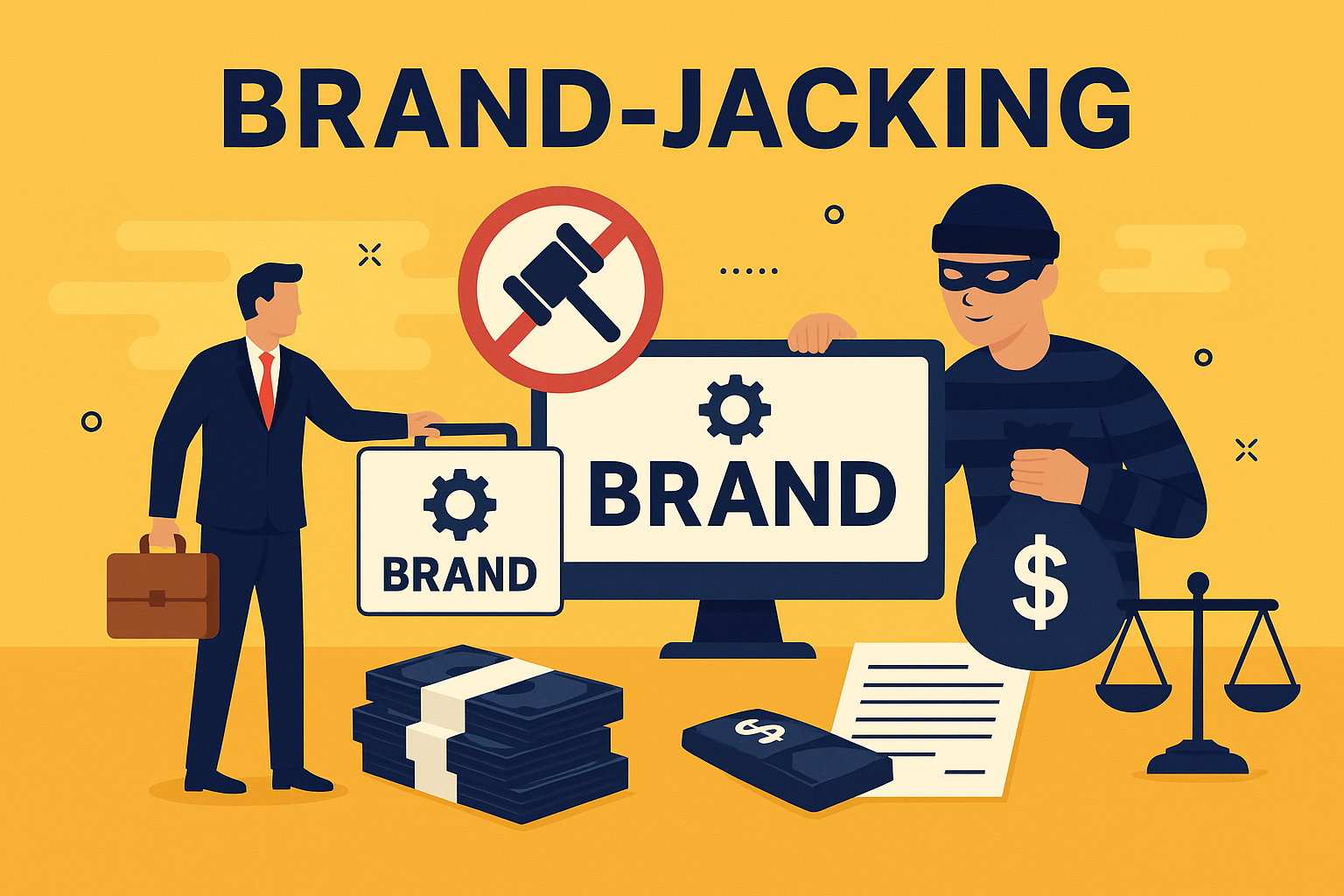
The Bigger Lesson: “Brand-Jacking” Is Not a Business Strategy
This story, as sensational as it sounds, distills an important principle for entrepreneurs, domain investors, and anyone tempted to buy a domain that resembles a well-known brand:
If your entire business plan hinges on a company paying you to reclaim its own identity, you don’t have a business plan—you have a lawsuit waiting to happen.
Cybersquatting—whether deliberate or accidental—puts domain buyers at legal, financial, and reputational risk. Even clever misspellings, nicknames, or shorthand versions of established brand names can trigger legal action. Companies have entire teams dedicated to reclaiming domains that encroach on their trademarks.
And they almost always win.
What Smart Domain Investors Do Instead
Legitimate domain investing focuses on:
-
Generic terms (e.g., HomesForRent.com)
-
Industry descriptors (e.g., SolarRoofingExperts.com)
-
Future trends (e.g., AI-driven niches)
-
Creative brandables (e.g., Driftly.com)
What they don’t do is:
-
Bank on selling to a specific company
-
Register names identical or confusingly similar to brands
-
Rebrand themselves overnight to make their claim look stronger
-
Sit on unused domains while raising the price into the stratosphere
The “Lambo.com” case proves that even if you think you’ve found a loophole, the legal system—and well-funded corporations—will likely close it faster than you can profit from it.
In the End, Who Really Owns the Name?
Brands matter.
Trademarks matter.
Identity matters.
Trying to leverage someone else’s brand—even indirectly—for financial gain is a strategy doomed to fail. The Arizona investor believed he had secured a golden ticket. Instead, he triggered a years-long legal battle that ended exactly the way these cases almost always do:
The brand wins.
The domain holder loses.
And the only guaranteed outcome is a massive bill.
Related Posts